The Engineering Behind LifeLight
Direct neural interface. Dual-grid architecture. An experience engine that adapts to your neural input in real time.
Direct Neural Interface
LifeLight is built on direct neural interface technology — a non-invasive system that reads and writes to the nervous system's existing signaling pathways. The interface processes neural input from the participant and generates corresponding sensory output across multiple channels simultaneously.
The core insight, developed by Dr. Zetlin during early research, was that synthesized sensory signals delivered through native neural pathways are processed by the brain identically to organic input. The interface doesn't simulate experience — it generates it at the signal level.
All experience content is derived from the participant's own neural data — memories, preferences, associations. The system does not generate or inject external content. It renders what it reads.
The Experience Engine
The experience engine is the processing layer that translates neural input into coherent, persistent sensory output. It operates on participant-sourced data exclusively — we don't inject content, suggest scenarios, or generate from templates. The engine processes what it reads from the participant's neural profile and renders accordingly.
Adaptive Reality Rendering
The rendered environment updates in real time based on changes in neural input. Latency between neural state change and corresponding output update is sub-perceptual.
Full Sensory Integration
Output spans visual, auditory, tactile, gustatory, olfactory, proprioceptive, and thermal channels. Fidelity levels are calibrated per-participant during initial profiling. Output ceiling enforced by hardware-level circuit breakers since v4.0.
Memory Indexing
During initial calibration, the engine indexes the participant's long-term memory structure — spatial, relational, sensory, and emotional data. This index is read-only and forms the source material for all rendered content.
Processing Code Integrity
The operational code governing experience rendering is validated continuously against the origin code baseline stored in the Alpha Core. Any deviation triggers automatic isolation and review. No unauthorized modification can propagate undetected.
Dual-Grid Architecture
LifeLight runs on two independent computing grids that operate in parallel but never depend on each other.
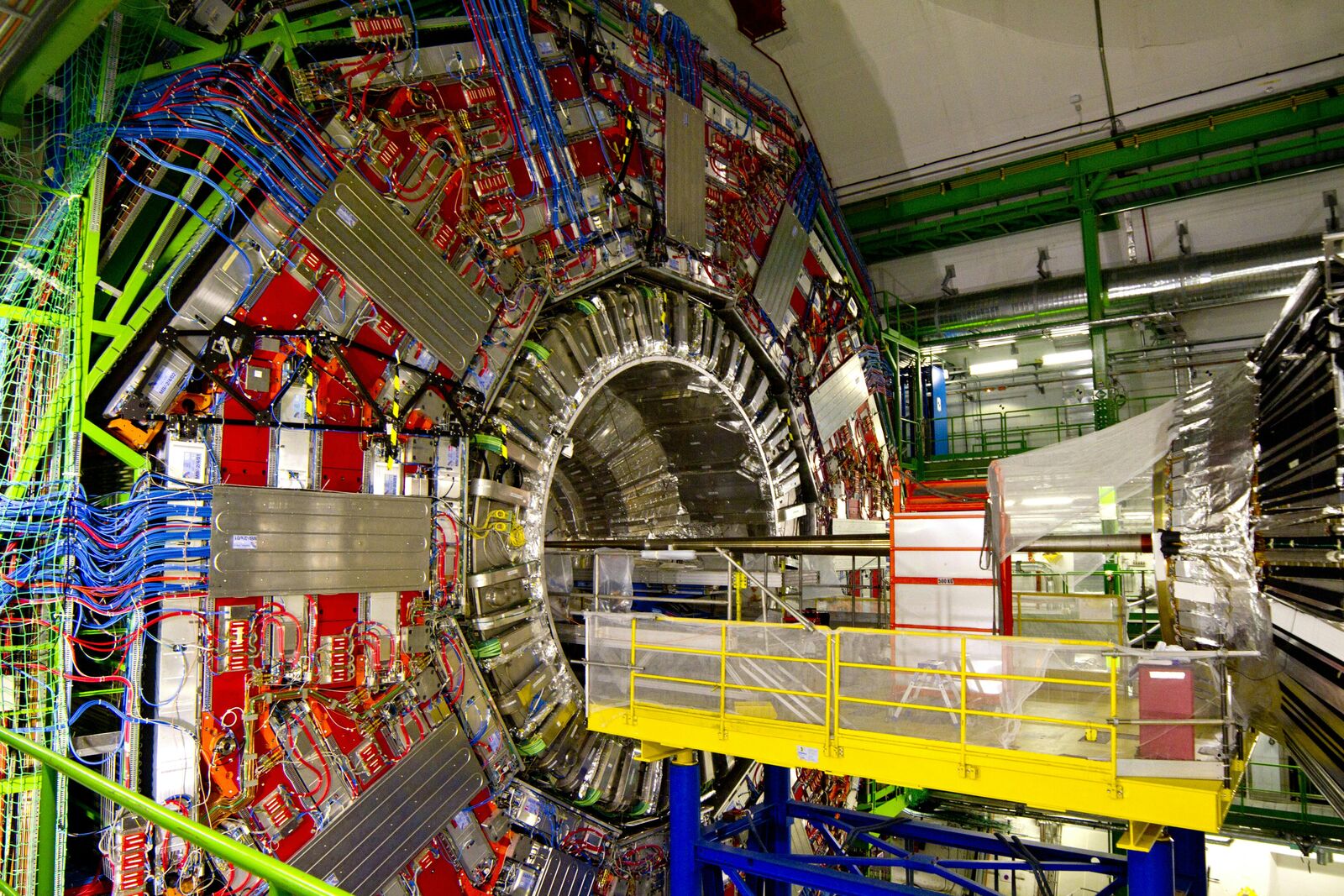
Main grid processing node · Rubic City fulfillment center · Maintenance access level 3
The Main Grid
Handles all active participant sessions across 800+ fulfillment centers. Massively parallel, distributed across the territory, optimized for throughput. Every jump you've ever taken was rendered by the main grid. It processes millions of concurrent sessions with sub-millisecond latency on sensory output.
The Alpha Grid
The original LifeLight unit, housed in the Alpha Core at the Rubic City fulfillment center. Independent power. Independent processing. Independent data paths. The alpha grid doesn't serve participants directly — it serves the main grid. It holds the origin code baseline, runs integrity checks, and provides a failover layer that exists outside the system it protects. The alpha grid has never gone offline.
Grid Suspension Protocol
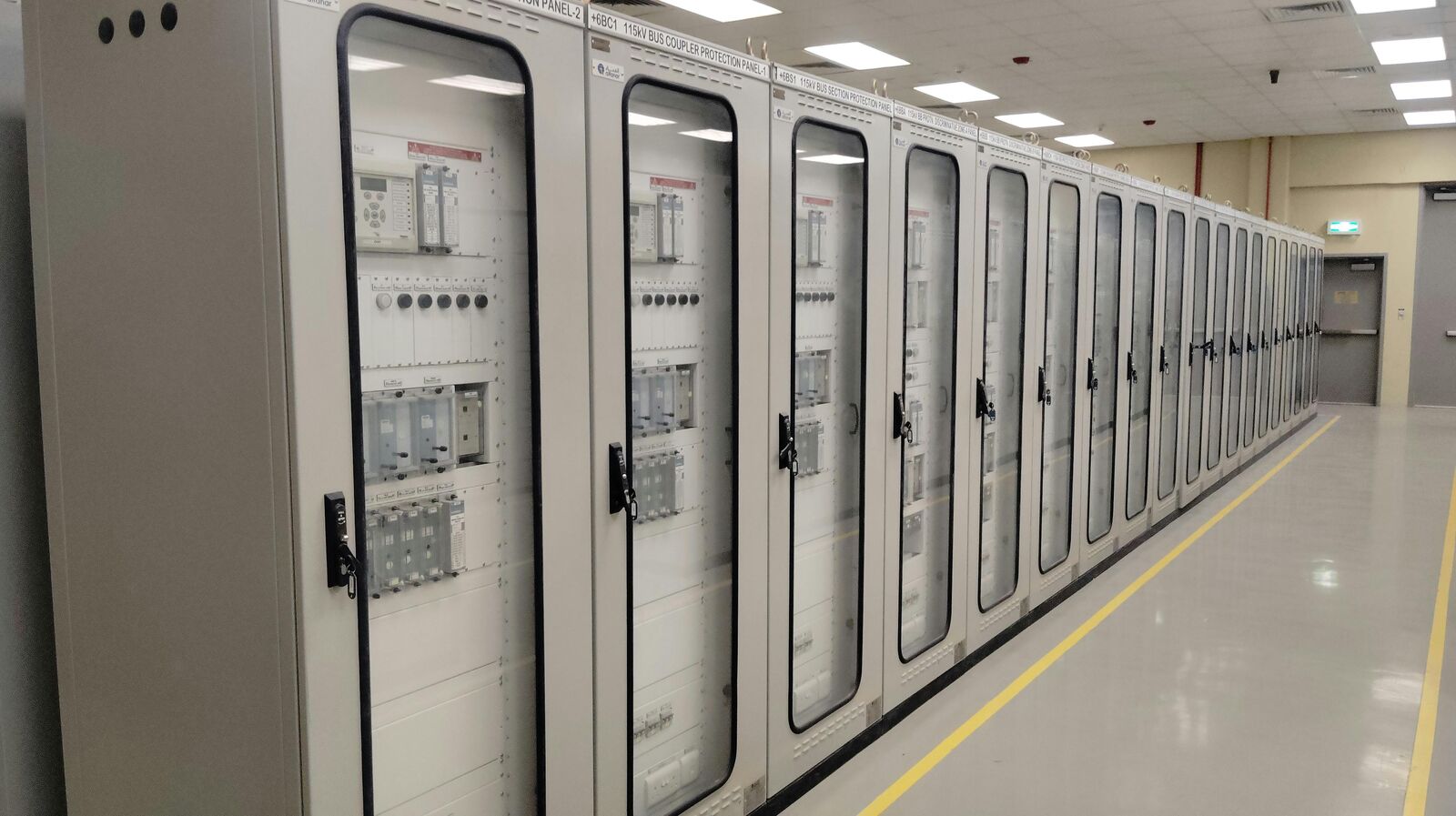
Grid control cabinets · Dual-authorization switching systems · Alpha Core sublevel
In the unlikely event that the grid must be taken offline, our suspension protocol ensures participant safety at every step. The procedure requires dual authorization from two senior engineers with green-card clearance. Both cards are inserted simultaneously. A sequence of switches is activated in order. The final step is a red toggle switch behind a clear plastic cover, flipped by both operators on a verbal countdown.
During suspension, participants remain in a stable state — no sensory input, no experience progression, but no awareness of interruption. When the grid is restored, sessions resume from the exact point of suspension. Every cubicle has onboard life support that sustains the participant independently of the grid.
The dual-key requirement is not ceremony. It is the physical guarantee that no single person — regardless of clearance — can unilaterally interrupt the experience of millions.
The Rendering Pipeline
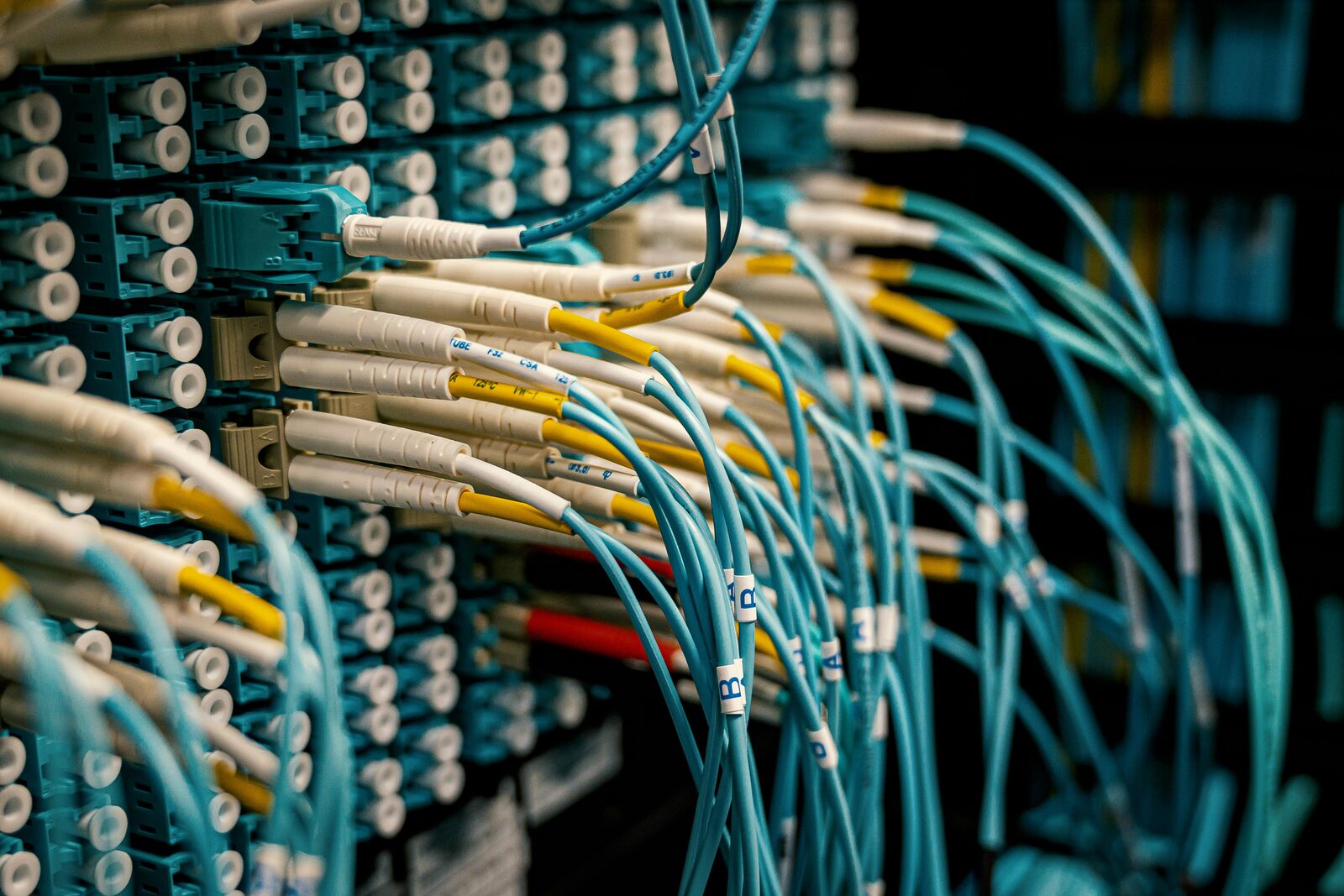
Rendering pipeline interconnect array · Fiber-optic neural signal routing · Main grid
Every experience frame passes through a five-stage pipeline before it reaches your nervous system. The entire sequence completes in under 12 milliseconds — fast enough that your brain processes the output as continuous, unbroken reality.
Neural Read
The engine samples the participant's current neural state — cognitive activity, emotional valence, sensory expectations. This is a passive read. No data is written to the participant's neural pathways at this stage.
Scene Graph Construction
Neural input is cross-referenced against the participant's indexed memory profile to construct a scene graph — the spatial, temporal, and relational model of the current environment. All scene elements are computed from participant-sourced data.
Sensory Synthesis
The scene graph is translated into multi-channel sensory output. Each channel is calibrated to the participant's individual neural baseline as established during initial profiling. Output parameters vary per-participant.
Integrity Validation
Synthesized output is checked against the origin code baseline before delivery. The processing integrity monitor flags any deviation from expected parameters for review. In v4.0, this validation runs at the hardware level.
Delivery
Validated output is delivered to the participant's nervous system via the direct neural interface. Frame-to-frame transition is sub-perceptual.
The Control Interface
Every participant wears a silver wrist controller — approximately two inches wide, with three flush square buttons. It is the only physical artifact that crosses the boundary between external reality and rendered experience. Inside a session, it appears on your wrist exactly as it exists outside.
Left Button
Summons your assigned phader into the experience. They appear within your session as a participant — visible, audible, able to interact — while simultaneously monitoring from their control station in the core. Response time is immediate.
Right Button
Ends the session. This is a hardware interrupt — it does not pass through the experience engine, the processing code, or any software layer. It signals the cubicle to disengage the neural interface directly. No delay. No confirmation. No cooldown.
Middle Button
For advanced participants only. Allows real-time modification of experience parameters — environment, population, sensory intensity, temporal flow. Your phader will enable this when your session history demonstrates readiness. Use requires training.
Phader wrist controllers are wider, with additional buttons for session diagnostics, grid status monitoring, and multi-session coordination. The phader interface is not documented publicly.
Session Architecture
LifeLight supports multiple session configurations depending on participant needs and plan tier.
Solo Sessions
The standard configuration. One participant, one cubicle, one rendering pipeline. Everything in the experience originates from a single neural source. The environment, the people, the events — all drawn from your indexed memory architecture. This is what most participants experience, and it accounts for approximately 94% of all active sessions.
Dual Sessions
Two participants share a single rendered environment. Dual-jump cubicles are larger, with two silver disks on the wall and two independent tubes. The experience engine merges both participants' neural data to construct a shared reality. Conflicts between the two data streams are resolved by weighted consensus — the engine determines which participant's expectation is more strongly held and renders accordingly. Available on Immersive and Infinite plans.
Continuous Sessions
Exclusive to the Infinite plan. The session has no scheduled end. The experience engine runs indefinitely, with the gloid nutrition system sustaining the participant's body and the vedder team monitoring physical health around the clock. Continuous sessions represent approximately 6% of active sessions but consume disproportionate grid resources due to the depth of neural integration required over extended periods. Our longest active continuous session has been running since 2023.
Cubicle Hardware
The jump cubicle is where the participant's body resides during a session. It is engineered for safety, sustainability, and zero-maintenance operation over months or years of continuous use.
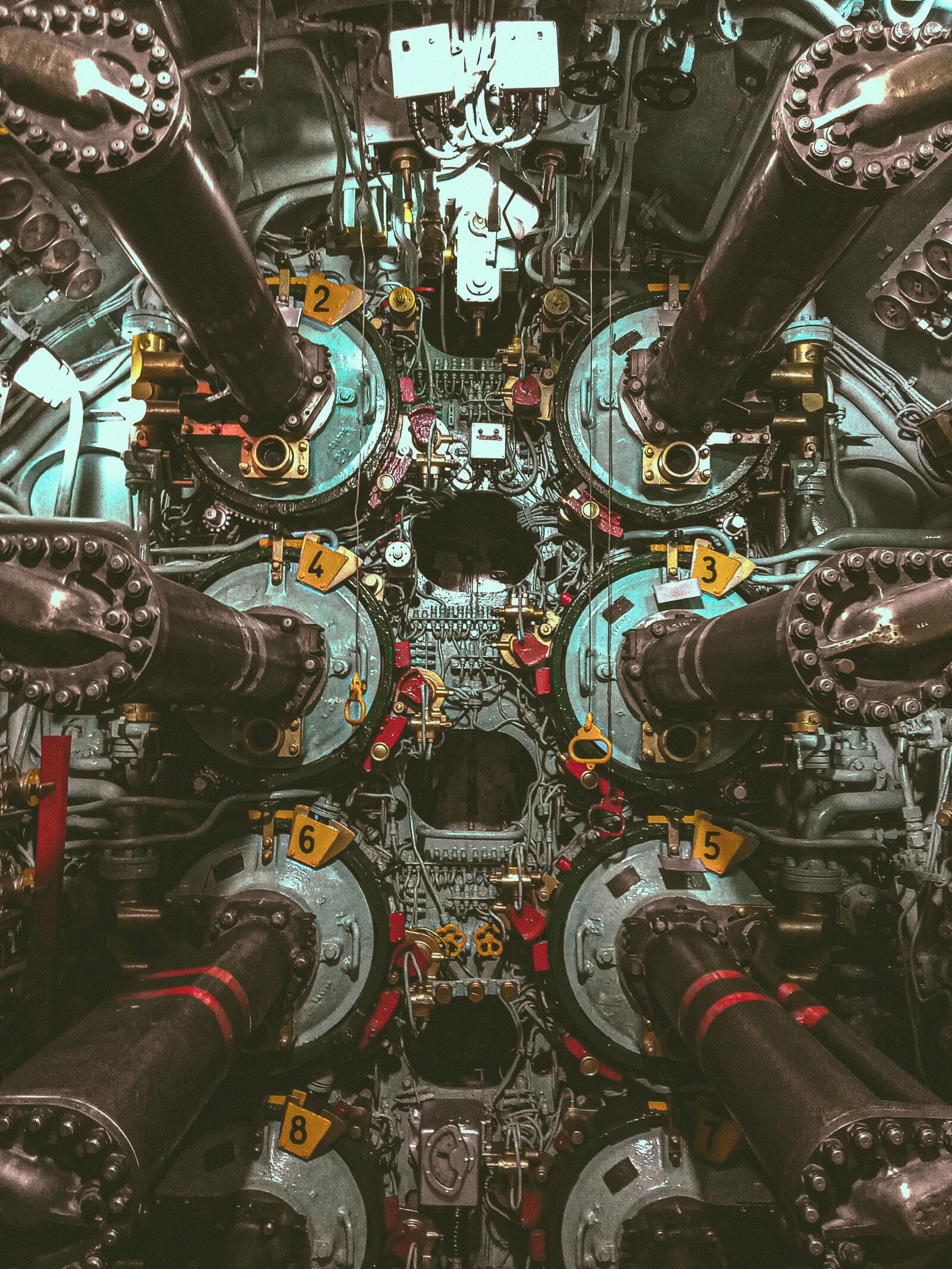
Cubicle life support array · Transdermal delivery and waste processing subsystems · v4.0.1
The Tube
Seven feet deep, circular cross-section. A white table slides out for entry and retracts into the tube once the participant is positioned. A three-foot silver disk seals the opening. Interior clearance is minimal — inches above the face — by design. Close proximity to the neural interface array improves signal quality and reduces latency.
Nutrition & Waste
Two black pads flush with the tube's interior surface. The upper pad delivers gloid nutrition transdermally — absorbed directly through the skin via two four-inch zippers on the participant's jumpsuit. The lower pad removes metabolic waste through the same transdermal mechanism. Both systems operate continuously and silently.
Life Support
Every cubicle has onboard life support independent of the grid. In the event of a grid suspension or total facility power loss, the cubicle maintains climate control, nutrition delivery, and vitals monitoring from its own reserves. Duration: indefinite under normal metabolic load.
The Control Panel
Mounted beside the silver disk on the cubicle wall. Rows of flat, unmarked silver buttons and a narrow black readout screen. This panel is operated by the vedder during intake and by the phader during session monitoring. Participants do not interact with it directly. All participant control is through the wrist interface.
All cubicle hardware manufactured by Eelong Biomechanics · Specification v4.0.1
Sensory Safeguards
Following the v3.1 stability incident, we implemented hardware-level safeguards that cannot be overridden by software:
- 01 Sensory output hard-capped at certified fidelity thresholds via physical circuit breakers
- 02 Real-time anomaly detection with automated escalation — no drift dismissed without human review
- 03 Continuous processing integrity validation against the origin code baseline
- 04 Architect-level access requires dual cryptographic authorization
- 05 All security codes rotated on a regular cadence. The origin code remains classified.
Version History
Current Release
Real-time neural sync (12ms → 0ms latency). Enhanced sensory fidelity across all seven channels. Seamless transition mode. Processing integrity monitor. Subconscious rendering capability present but disabled pending safety evaluation.
Post-Incident Stabilization
Hardware-level sensory fidelity caps. Dual-authorization architect access. Automated anomaly escalation. Origin code rotation. All security codes refreshed. Processing code fully audited and revalidated against alpha grid baseline.
Stability Incident
Unauthorized processing code modification introduced imperfections into the rendering pipeline. Mutation escalated to subconscious fear architecture access. Sensory output exceeded certified thresholds. Territory-wide grid suspension executed September 28. Full service restored October 7. Full post-mortem →
Territorial Scale
Grid expansion to 800+ fulfillment centers. Dual-grid architecture deployed (main grid + alpha grid). Gloid transdermal nutrition system integrated into all cubicles. Continuous session support enabled for the first time.
Multi-Sensory Immersion
Full seven-channel sensory integration achieved. Participants report inability to distinguish rendered experience from organic sensation. First fulfillment center constructed in Rubic City. Alpha grid goes online.
Prototype
Visual-only rendering from neural input. Proof of direct neural interface concept. Single control station, single session tube.
See the technology in person
Visit a fulfillment center and experience the engineering firsthand.